

Philosophy
“The most profound technologies are those that disappear. They weave themselves into the fabric of everyday life until they are indistinguishable from it.”
Ubiquitous computing
In the late 1980s, Mark Weiser and his colleagues at Xerox PARC imagined computing that would move off the desk and into the world: many small, connected devices woven so naturally into our surroundings that we would stop noticing them, and simply live better.
With John Seely Brown he later described calm technology: technology that sits at the edge of our attention and comes to the centre only when it's needed. Weiser contrasted a walk in the woods, rich with information yet relaxing, with computers that leave us frustrated.
Thirty-five years on, the devices he imagined are everywhere. The question has become whether they make us calmer and more capable, or more distracted. That question is why we exist.
“Machines that fit the human environment, instead of forcing humans to enter theirs, will make using a computer as refreshing as taking a walk in the woods.”
Our path
Everything we make is a step on the same path: computing leaving the screen and entering the world.
- 01
Immersive experiences
Computing you can see and walk around in
Learn more - 02
Virtual worlds & live events
Computing as a shared place
Learn more - 03
AI avatars & conversational agents
Computing that understands you and talks back
Learn more - 04
Ambient & physical AI
Computing that senses and acts in the physical world
Learn more
The missing piece was understanding
For decades, computers could be everywhere but understand very little. Generative AI changes that. A computer that can listen, speak and grasp context is what lets technology finally fit around people instead of the other way round, which is why AI is part of our founding idea rather than a change of direction.
Research foundations
Our CTO, Dr Andrew Yew, completed his doctorate at the National University of Singapore's Augmented Reality and Assistive Technology Lab, in the Mechanical Engineering department's manufacturing group. His research produced an augmented reality operating system: a software and hardware framework for designing smart ambient spaces with immersive, ubiquitous interfaces, for learning spaces, assistive and rehabilitation spaces and manufacturing shopfloors.
Research & publicationsTechnology for good
Digital technology is shaping society, for better or for worse. We work to make it better, and we hold ourselves to these principles:
People first
We design for the people who will use it, including those who are usually left out, and measure success by what changes for them.
Consent and privacy by design
We collect only what a project needs, explain it plainly and protect it properly.
Accessible by default
Experiences should work for people of different ages, abilities, languages and devices.
No manipulative design
No dark patterns, and no AI that pretends to be human when that matters.
Measurable benefit
We agree what good looks like up front and report honestly on whether we achieved it.
Work for good
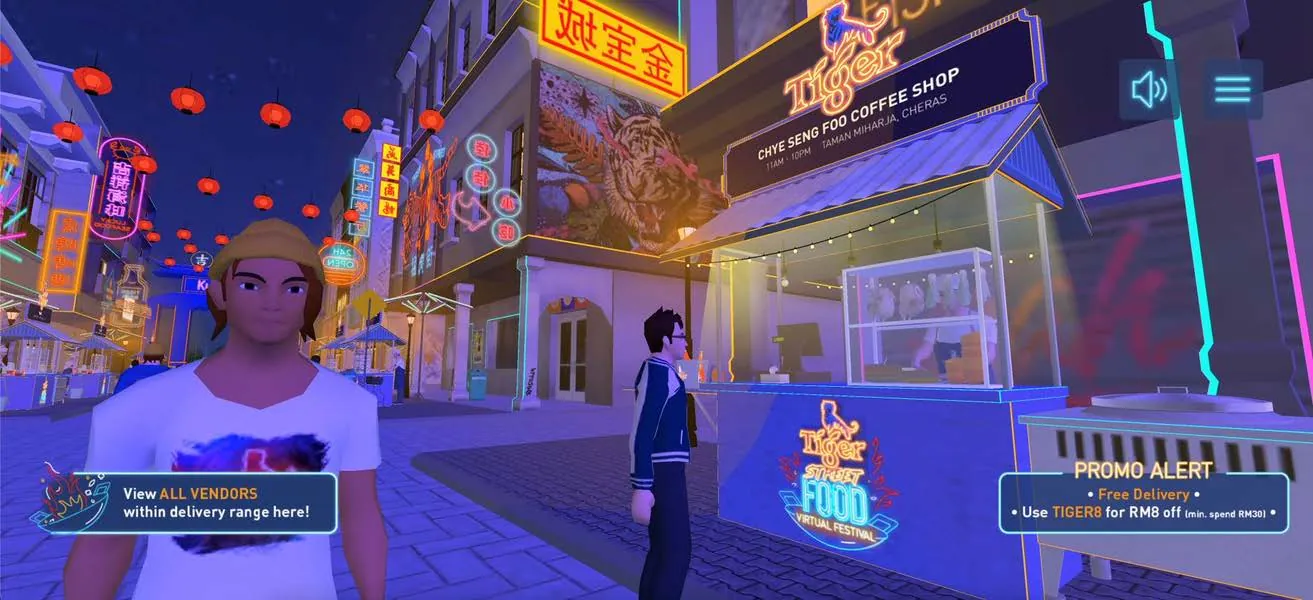
Tiger Beer (Heineken)
Tiger Virtual Street Food Festival
150+ street food vendors trading
A persistent multiplayer night market in the browser that kept 150 street food vendors trading through lockdown, with over 60% conversion.
Virtual worlds
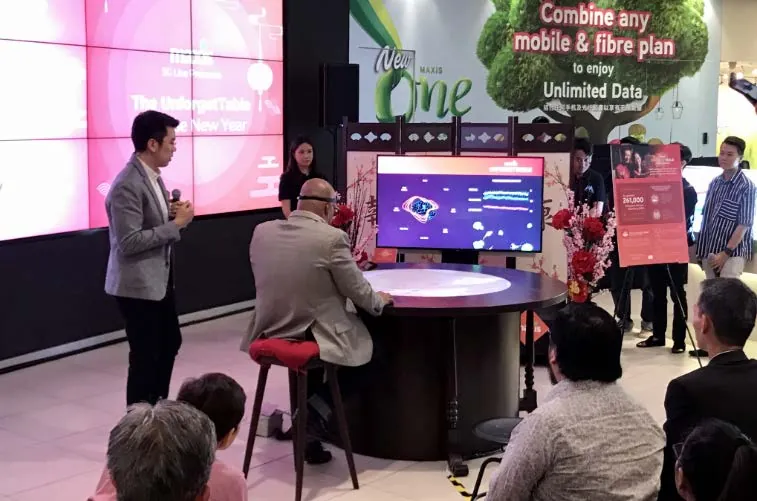
Maxis
AR Reminiscence Therapy
Augmented reality, EEG sensing and a smart home prototype that let people living with dementia do reminiscence therapy independently.
Immersive · AI · Ambient & physical AI
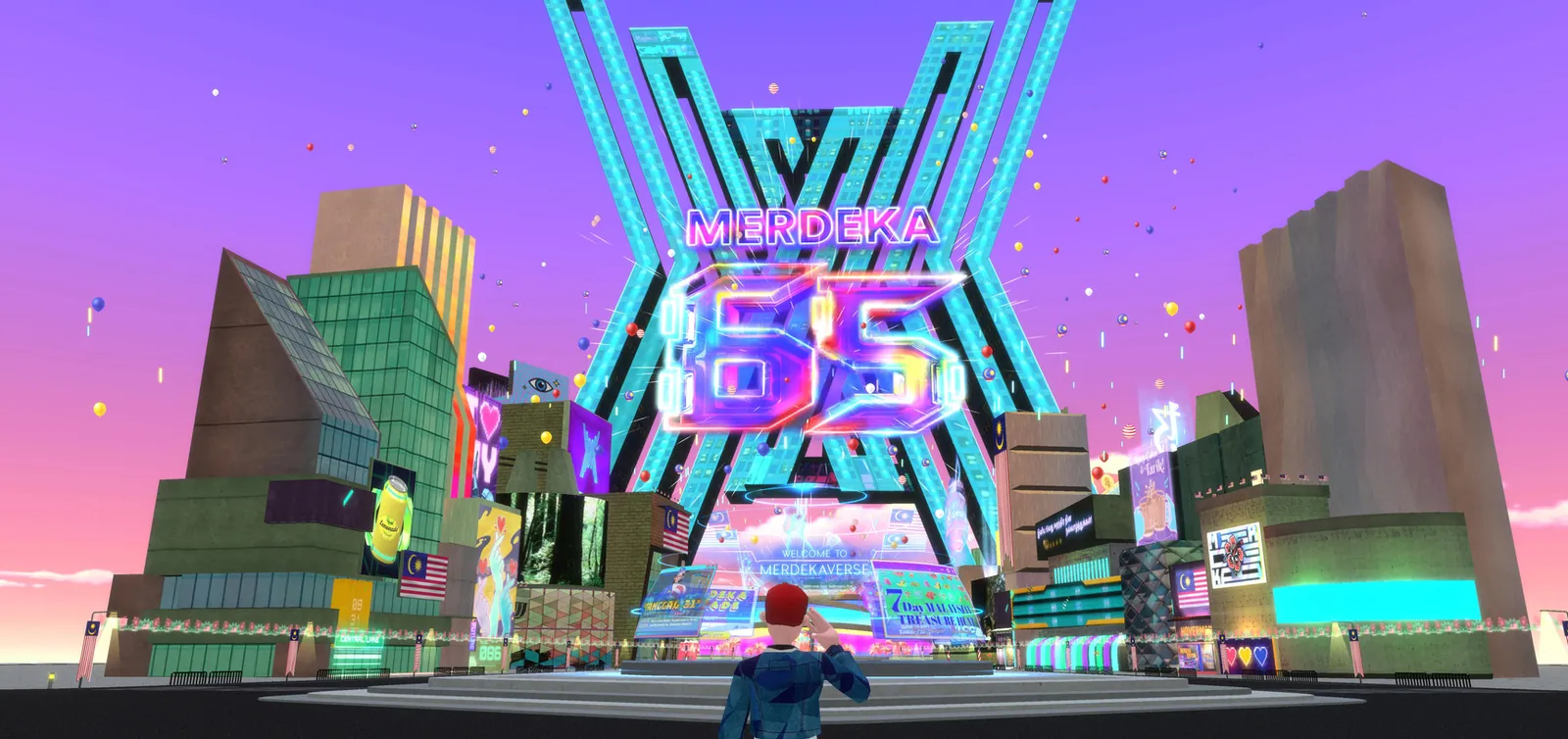
A national day celebration
Merdekaverse
A metaverse festival and re-enactment of Malaysian history for Merdeka 65, where a digitised Tunku Abdul Rahman taught netizens the country's story.
Virtual worlds · AI
Advancing Humanity
It's on our logo for a reason.